
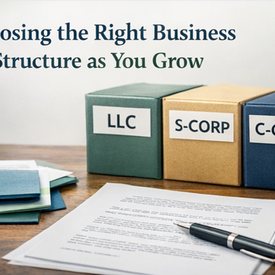

When a business is initially formed, the choice of entity is often guided by simplicity and efficiency. As operations expand and financial results become more consistent, that decision begins to carry broader implications.
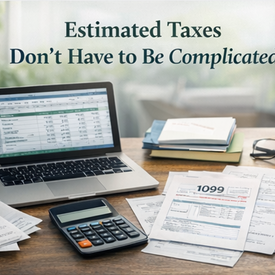
For freelancers and self-employed professionals, managing taxes independently represents a significant shift from traditional employment. Without automatic withholding, tax obligations must be addressed proactively throughout the year.
Saving is often framed as a matter of reducing spending, but that perspective can overlook more effective and sustainable strategies. In many cases, improving how savings are structured yields better long-term results than simply attempting to spend less.
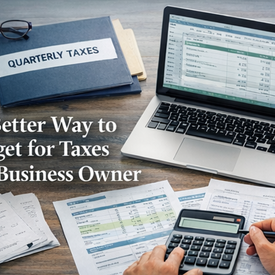
Running a business requires making ongoing financial decisions grounded in a clear understanding of available resources. Taxes are often treated as a separate obligation, addressed only when deadlines approach. This can create unnecessary pressure and disrupt otherwise stable cash flow.